

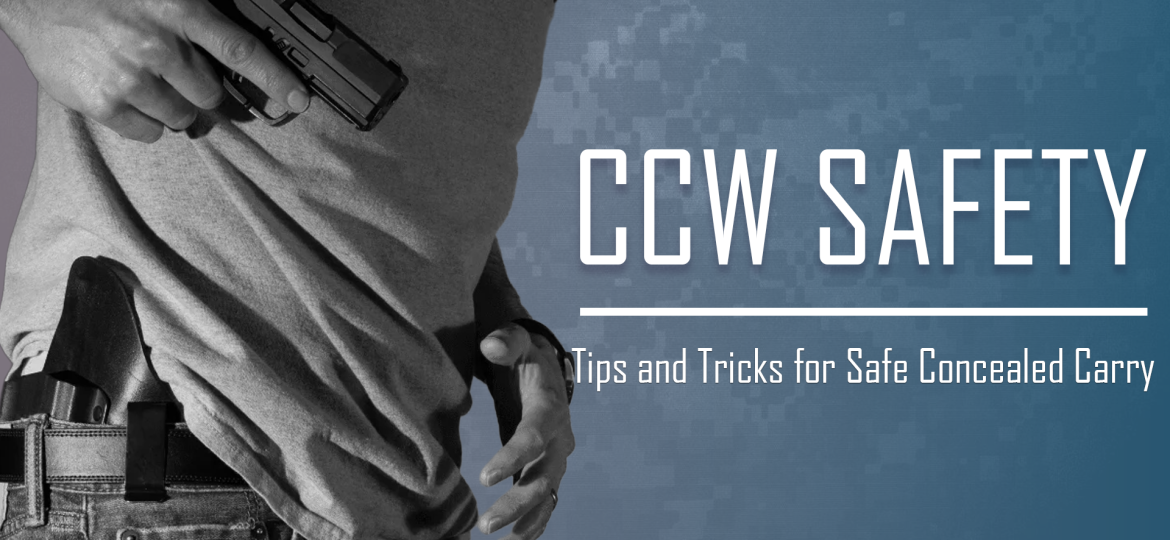
Concealed Carry Safety: Essential Tips for Responsible Everyday Carry
Choosing to carry concealed comes with a serious responsibility. The firearm itself is only one part of the equation. Safe concealed carry depends on proper equipment, consistent habits, ongoing training, and sound judgment. Whether you’re considering concealed carry for the first time or have carried for years, these fundamental safety practices are worth keeping top of mind.
1. Know the Laws Where You Carry
Before carrying a firearm, understand the laws that apply to you.
Concealed-carry requirements can vary significantly by state and locality, including rules regarding permits, prohibited locations, transportation, storage, and interactions with law enforcement. Laws can also change over time.
If you travel, don’t assume the laws from your home state follow you across state lines. Check current requirements for every jurisdiction you’ll enter.
When in doubt, consult official state or local resources or a qualified attorney rather than relying solely on social media, forums, or word of mouth.
2. Treat Every Firearm as Loaded
The fundamental rules of firearm safety apply whether you’re at the range, at home, or carrying throughout your day:
- Treat every firearm as though it is loaded.
- Never point a firearm at anything you are not willing to destroy.
- Keep your finger off the trigger until you have made the deliberate decision to fire.
- Be aware of your target and what is around and beyond it.
These principles should become habits, not something you have to stop and remember.
3. Use a Quality Holster
A concealed-carry holster is safety equipment.
A properly designed holster should securely retain the firearm, protect the trigger from unintended contact, and remain stable during normal daily activity.
Avoid carrying a firearm loose in a pocket, bag, or waistband where objects, clothing, or movement could interfere with the trigger or firearm.
Your holster and firearm should also be compatible. A holster designed for a different model may not provide appropriate trigger protection or retention.
4. Build Your Carry Setup Around Stability
Your firearm, holster, belt, and clothing work together as a system.
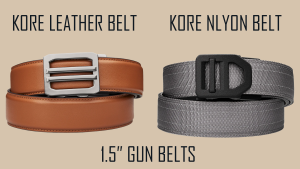
A purpose-built carry belt can provide a more stable platform for the weight of a firearm and holster than a typical fashion belt. The goal is to keep your equipment consistently positioned and minimize unnecessary shifting, sagging, or movement throughout the day. We always recommend the Kore Essentials gun belt for its adjustability, rigidity, and comfort.
Comfort matters so much when you’re carrying. Guns can be heavy and having your firearm pressed against you all day, weighing down on your hips, can be really painful. A gun belt that can evenly distribute the weight of your gear while keeping your firearm secure will immensely improve your comfort and safety, which is essential for concealed carry. We recommend Kore gun belts for their rigidity, comfort, and firearm support.
5. Minimize Unnecessary Handling
Once your firearm is safely holstered, leave it there unless there is a legitimate reason to handle it.
Repeatedly removing, repositioning, or checking a firearm introduces unnecessary opportunities for mistakes. If you need to adjust your equipment, do so carefully and, whenever practical, in a private and controlled environment.
A well-designed carry setup should allow you to go about your day without constantly thinking about or manipulating your firearm.
6. Get Professional Training
Obtaining a permit, where one is required, shouldn’t be the end of your education.
Everything about carrying a firearm needs to be done intentionally, and that includes your training. If and when you ever find yourself needing to use a firearm, your body is going to take control, and it’s only going to be muscle memory that moves you forward. Practicing with your firearm is key to being prepared and responding safely when the need arises.
Seek instruction from qualified firearms professionals and continue developing safe firearm-handling skills. Training can also help you better understand safe storage, equipment selection, decision-making, and the legal responsibilities associated with carrying a firearm.
Skills can deteriorate without practice, so responsible ownership should include continuing education.
7. Practice With the Equipment You Actually Use
Familiarity with your everyday equipment matters.
Learn how your holster, belt, clothing, and other carry equipment interact under controlled training conditions. If you change an important component of your setup, take time to become familiar with the new configuration before relying on it for everyday carry.
Training should prioritize safe, deliberate handling over speed.
8. Secure Your Firearm When You Aren’t Carrying It
Responsible concealed carry doesn’t end when you take your gear off.
When a firearm isn’t under your direct control, store it securely and prevent unauthorized access—particularly around children or other people who should not have access to it.
Consider appropriate secure-storage solutions at home and when traveling, and understand the storage and transportation laws that apply where you live or visit.
9. Carry With a Clear Mind
Good judgment is one of the most important elements of responsible concealed carry.
Alcohol, recreational drugs, certain medications, extreme fatigue, and heightened emotional states can impair judgment and coordination. If your ability to safely handle a firearm or make sound decisions is compromised, carrying may not be appropriate.
Being armed should increase your commitment to avoiding unnecessary confrontation—not decrease it.
10. Make Safety the Priority
There is no piece of gear that can replace responsible behavior.
A reliable firearm, quality holster, supportive carry belt, and appropriate clothing can help create a secure and comfortable concealed-carry system. But ultimately, safety comes down to the person carrying.
Know the law. Use appropriate equipment. Store firearms securely. Seek professional training. Avoid unnecessary handling. And maintain the mindset that carrying a firearm is a responsibility every time you put it on.
Responsible concealed carry isn’t about simply having a firearm with you. It’s about developing the habits, judgment, and respect necessary to carry it safely.
This article is for general educational purposes only and is not legal advice. Firearm and concealed-carry laws vary by jurisdiction and can change. Consult current official resources and qualified professionals regarding the laws and training requirements applicable to you.